
Overthinking · · 3 min read
How to Stop Overthinking a Task and Just Start
Wondering how to stop overthinking and start a task? Use one clear question to separate a decision you need to make from a detail that can wait until later.
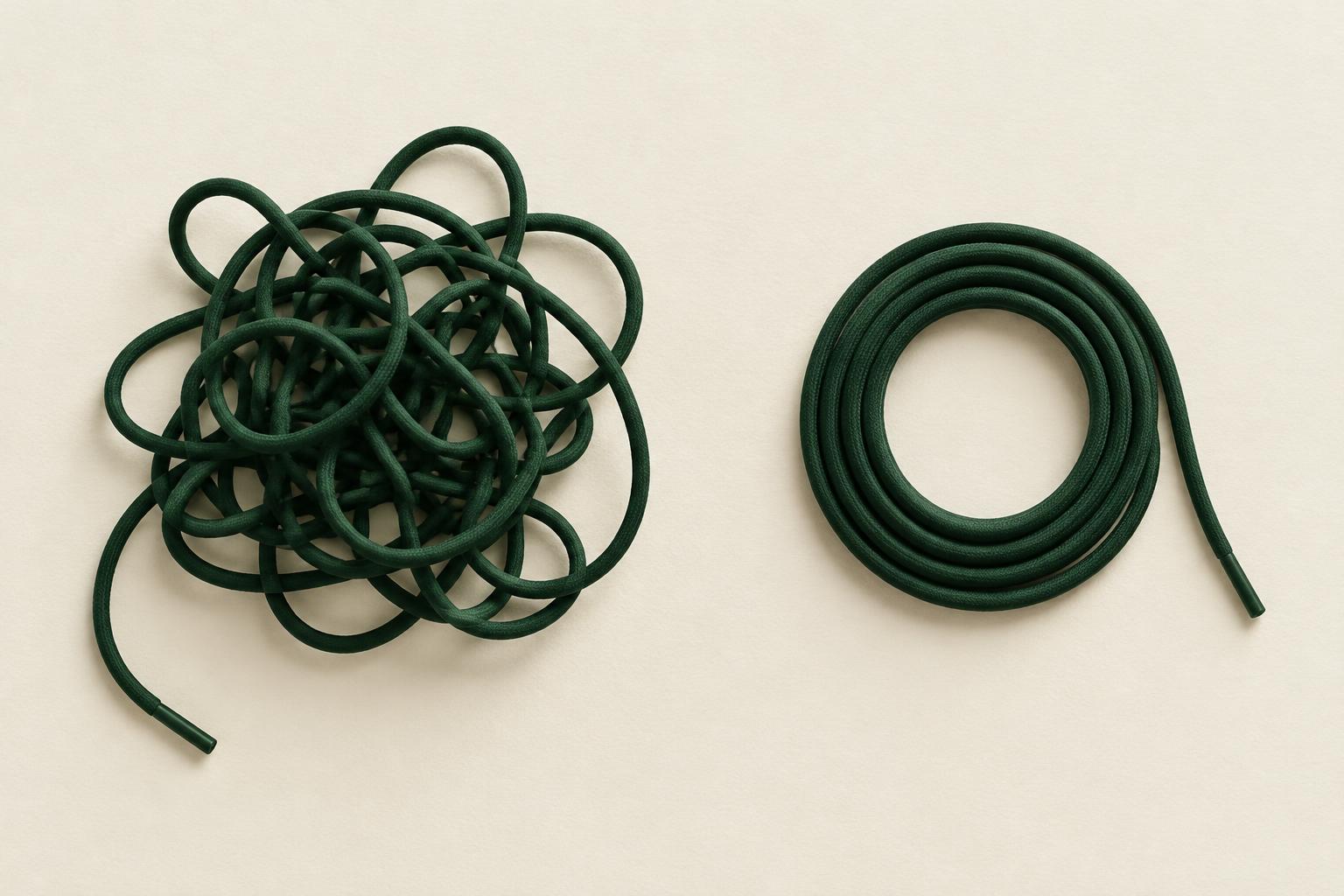
You have thought about the task from every angle. You have compared approaches, imagined mistakes and looked for a better way to do it. Yet the document is still blank or the message is still unsent.
If you are wondering how to stop overthinking and start, the aim does not have to be an empty mind. For an everyday task, it can be enough to work out which question actually needs answering before you begin.
Not every question needs an answer now
Planning can be useful. Checking the recipient before sending a message matters. Deciding how to organise a whole year's worth of notes before writing today's note may not.
Overthinking a task can look like preparation because both involve attention and effort. The difference is whether that effort is giving you information you need, or repeatedly revisiting details that cannot be settled yet.
When thinking becomes a holding pattern
You might notice that you are comparing the same two options without new information. Or that every answer creates another question. Perhaps you are trying to choose the perfect format before you know what you want to say.
None of this means you should stop thinking altogether. It means the next useful information may come from a rough attempt, rather than another round of imagining.
Stedevia · Journal notes
Does this question need an answer now?
Not every detail has to be settled before you begin.
Can wait
- The final layout.
- The perfect opening.
- Every detail of the finished piece.
Leave these aside for a rough first try.
Need to know first
- Who is this for?
- What have I been asked to do?
- Is there a safety concern?
If an answer is missing, finding it is your next task.
One exercise: find the question that blocks the start
Write down the question you keep circling around. Underneath it, ask: “Do I need this answer before I can make a rough first attempt?”
For example, “What should the final presentation look like?” may not need answering before you write a rough opening paragraph. “Who is this presentation for?” probably does. If the answer is necessary, finding it is the task. If it can wait, leave the question on the page and make the rough attempt.
You are not promising to use that attempt. You are giving yourself something specific to assess. A paragraph can show you what is missing in a way that an imagined perfect presentation cannot.
Keep the scope ordinary and low-risk
This exercise is for everyday work and personal tasks, not a substitute for careful judgement where safety, health or significant consequences are involved. Some questions deserve time and qualified advice.
From circling to a starting point
For a brief reset when you are stuck in the thinking stage, start with the free 5-Minute Restart guide. If you want a more structured way to decide what to do when progress stalls, The Restart Protocol is the next option.
General self-help information only. If repetitive thinking is distressing or disrupting daily life, consider speaking with a qualified professional.
General self-help information only, not medical or professional advice. Read our disclaimer.